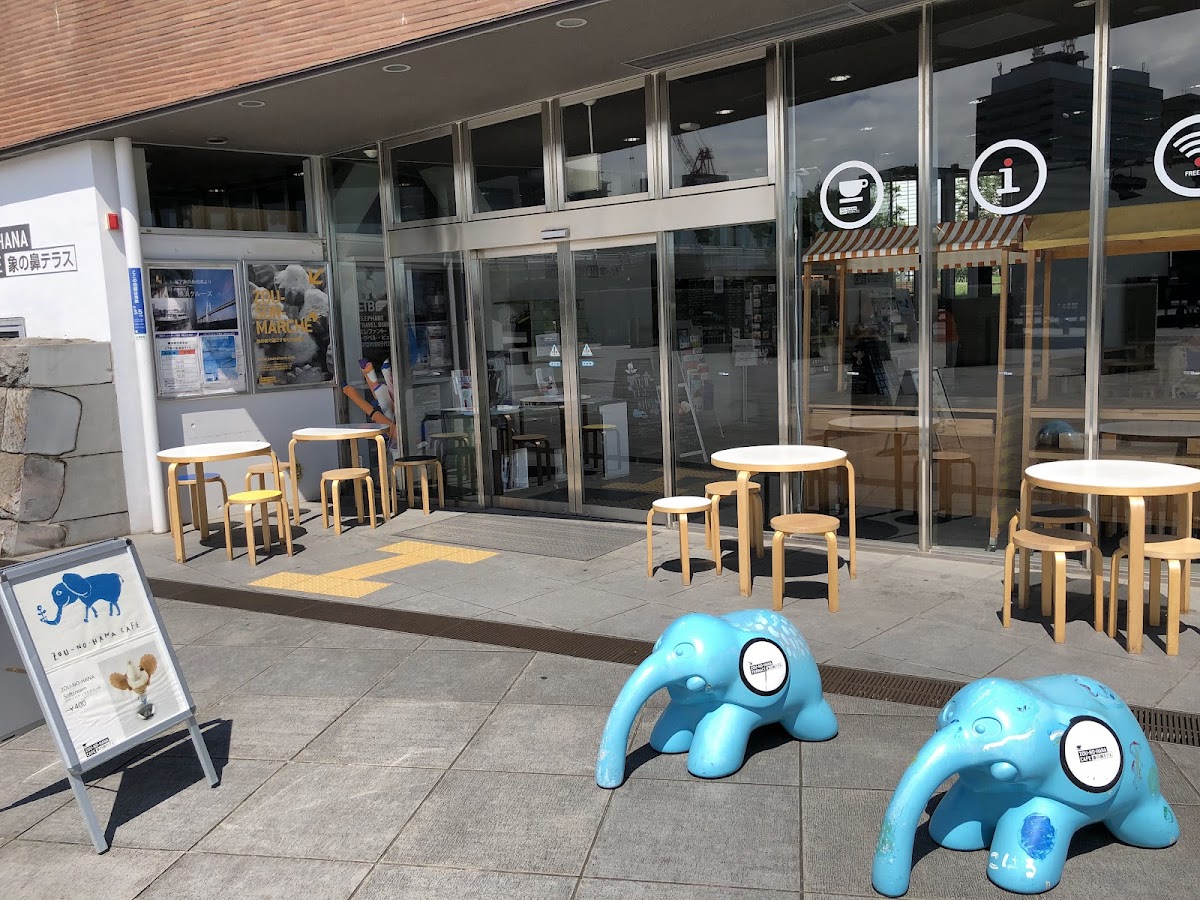
We visited on a rainy day as we made our way from the Brick Warehouses to China Town. It's an open space with plenty of tables and really quiet. There was a big elephant sculpture inside and, after asking the staff, we collected different elephant stamps. We order coffee to drink while we were there, looking out across the water but there are also things to eat.
Overview
I still remember the first time I walked along the waterfront at 1-1 Kaigandori, Naka Ward, Yokohama, Kanagawa 231-0002, Japan, and stumbled upon Zou-No-Hana Terrace. The sea breeze rolled in from Yokohama Port, couples were strolling hand in hand, and the skyline shimmered in the distance. Right there, between open park space and the harbor view, this airy café-diner felt less like a restaurant and more like a calm pause in the city.
The location alone sets it apart. Sitting inside Zou-no-Hana Park, the terrace faces the water, making it one of the most scenic dining spots in Yokohama. According to data from the Japan National Tourism Organization, Yokohama consistently ranks among the top port cities visited by international travelers, and waterfront dining is a major draw. It’s easy to see why. The glass-walled structure lets in natural light all day, while outdoor seating offers a front-row seat to ships drifting by. Whether you’re here for brunch, coffee, or an early dinner, the setting does half the work for you.
On my most recent visit, I came around noon, which I’ve learned is prime time. The menu leans toward light Western-style dishes with Japanese touches-think pasta, curry rice, seasonal salads, and beautifully plated desserts. I ordered a plate of hayashi rice and a fresh salad topped with local greens. The produce tasted crisp and vibrant, something I’ve come to expect in Kanagawa, where farm-to-table sourcing has gained momentum over the last decade. In fact, Japan’s Ministry of Agriculture has reported a steady rise in restaurants prioritizing regional ingredients, and you can sense that philosophy here.
What impressed me most was the balance. Portions were generous but not overwhelming, and flavors were layered without being heavy. The coffee, brewed carefully and served in minimalist ceramic cups, paired perfectly with a slice of cheesecake that had just the right amount of sweetness. You can tell the kitchen pays attention to detail. During one visit, I asked a staff member about their dessert rotation, and she explained how they adjust offerings seasonally, sometimes collaborating with local pastry chefs. That kind of process-adapting the menu based on season and sourcing-reflects thoughtful planning rather than routine food service.
Service here is relaxed yet attentive. Orders are placed at the counter, and food is brought to your table, which keeps things casual. I’ve noticed that staff members are quick to recommend popular items if you’re unsure. Reviews online often mention the friendly atmosphere, and from my experience, that’s accurate. Even on busy weekends, the vibe stays calm rather than chaotic.
Another interesting aspect is how the terrace doubles as a cultural space. It occasionally hosts art exhibitions and community events. Yokohama has long been associated with creative urban development, and organizations like the Yokohama Arts Foundation have emphasized blending public art with daily life. Dining here feels connected to that larger vision. You’re not just grabbing a meal; you’re part of the city’s waterfront culture.
Of course, there are minor limitations. Because it’s so popular, seating can fill up quickly, especially during cherry blossom season or sunset hours. Also, the menu isn’t huge. If you’re looking for an extensive gourmet selection, you might find it somewhat focused. Still, the curated choices ensure consistent quality, and that’s a trade-off I personally appreciate.
From a practical standpoint, access is easy. It’s within walking distance from Nihon-Odori Station, and the surrounding area includes other attractions like Yamashita Park and the Red Brick Warehouse. That makes it convenient to build an entire afternoon around your visit. Grab lunch, explore the waterfront, then circle back for coffee as the sky turns orange.
Over the years, I’ve recommended Zou-No-Hana Terrace to friends visiting Yokohama, and the feedback has been consistently positive. Some rave about the harbor views; others highlight the relaxed menu and comfortable seating. For me, it’s the combination of atmosphere, thoughtful food preparation, and that unmistakable sense of place that keeps drawing me back.
Good to know
Service options
✓ Outdoor seating ✓ Takeaway ✓ Dine-in ✓ DeliveryHighlights
✓ Great coffee ✓ Great dessert ✓ Great tea selectionPopular for
✓ Lunch ✓ Solo diningAccessibility
✓ Wheelchair-accessible entrance ✓ Wheelchair-accessible seating ✓ Wheelchair-accessible toilet ✓ Wheelchair-accessible car parkOfferings
✓ Alcohol ✓ Beer ✓ Coffee ✓ Quick biteDining options
✓ Brunch ✓ Lunch ✓ Dessert ✓ Seating ✓ Table serviceAmenities
✓ ToiletAtmosphere
✓ Casual ✓ Cosy ✓ Quiet ✓ Trending ✓ TrendyCrowd
✓ Groups ✓ TouristsPayments
✓ NFC mobile payments ✓ PayPayChildren
✓ Good for kidsPhotos
1 / 4
Location
Reviews
- No ratings yet 870 reviews
Great location and great motif. The view out the ample windows is pleasant in all directions and in every season. The food is as good as should be expected from a cafe (not a restaurant). The ice cream is tasty as well as cute and Instagramable. The staff are adequately polite, no more and no less. Mostly, teenagers with better things to do, maybe. Great place for an English Party . But the seating is not exactly conducive to getting too comfortable. That being said there always seems to be enough seats available for groups, couples and solo guests. Oh! And the outdoor dining is pretty good, too.... If you like birds.
Nice spot between Yamashita Park and Lanmark Tower. The drinks and apple pie are all tasty with FreeWifi inside. However, the staff seems not very friendly. You must aware this.
Cute elephant ice cream was a delicious sweet treat. Apple custard pie was the best I've ever had..
it doesn’t seem like you have to purchase something from the cafe in order to take a seat here (but to be polite about it, do get a something if you’ll be here a while/ if there are paying customers!) i came in here while seeking shelter from the hot sun and decided to try their popular elephant soft serve, it’s adorable and yummy!
Cheap and tasty milk ice-cream in elephant shape. The terrace's environment was also relaxing.
Great seaside cafe to watch the promenade and hide from the unrelenting summer sun. I ducked into this cafe on a whim because I liked the large windows it had, which let a lot of natural light in. I liked how the interior was really spacious -- it has a wide hall space but only a couple of wooden chairs and tables accommodating the quiet couples inside. Gave a sort of Scandinavian seaside vibe to it. The soft serve was 480¥ and shaped to look like an elephant, the cafe's namesake. It was very milky and a joy to finish.
small coffe in the oarc with good tea option. nice clean inside area with some arts